


The Green Gold: Understanding the Matcha Phenomenon
In the world of tea, matcha is the undisputed royalty.
The Green Gold: Understanding the Matcha Phenomenon
In the world of tea, matcha is the undisputed royalty. Unlike traditional green tea, where leaves are steeped in hot water and then discarded, matcha involves consuming the entire tea leaf. The result is a vibrant, neon-green elixir that offers a concentrated dose of antioxidants and a unique, jitter-free caffeine boost.
Matcha’s journey began in Tang Dynasty China, but it was perfected in Japan. For centuries, it was the centerpiece of the Japanese tea ceremony (Chado), prized by Zen monks for its ability to induce a state of "calm alertness." This is due to the presence of L-theanine, an amino acid that slows the absorption of caffeine, preventing the "crash" associated with coffee.
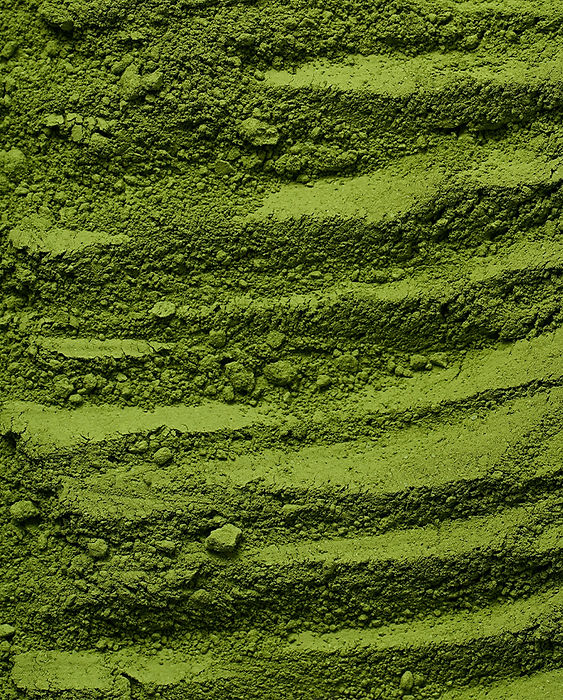
The production of high-quality matcha is an art form. About three weeks before harvest, tea bushes are shaded from sunlight. This process triggers a massive spike in chlorophyll and amino acid production, giving the leaves their signature electric-green hue and deep umami flavor. After harvest, the leaves are steamed, de-veined, and stone-ground into a powder so fine it mimics the texture of talc.
While traditionalists prefer it whisked with hot water into a frothy foam, the modern culinary world has embraced matcha as a versatile superfood. Its earthy, slightly bitter profile acts as the perfect foil for creamy bases, making it the star ingredient in lattes, desserts, and most popularly in smoothies.
Where to find matcha in Sydney
Edition Roasters (Haymarket & World Square): Frequently touted as a top-tier destination, Edition uses premium Uji matcha. Their lattes are renowned for being exceptionally creamy and balanced, avoiding that "grassy" bitterness often found in lower grades.
Cafe Cre Asion (Pyrmont): A long-standing favourite for purists. They treat matcha with the reverence of a traditional tea house, offering not just elite lattes but also some of the city's most technically precise matcha desserts—the fondant and Swiss rolls are legendary.
Kurumac (Marrickville): For those who prefer their matcha unsweetened and "strong," this Marrickville gem is often praised for serving a brew that hits like a double-shot espresso—earthy, bold, and properly authentic.
Up South (Bondi): This is the epicentre of the "aesthetic" matcha movement. They went viral for their Strawberry Matcha (swirled with house-made coulis) and have since expanded into inventive variations like Pistachio and Banana Pudding matcha.
Parami (CBD): Tucked away in a laneway near Hyde Park, this spot is celebrated for its Tokyo-style vibe. They serve ceremonial-grade matcha in traditional ceramic bowls, often paired with mochi muffins that have a massive following.
Expert Tips for Sourcing at Home
If you’re looking to buy powder to recreate these at home, food editors generally point to a few key local suppliers:
T Totaler (CBD/Newtown): An Australian brand focused on small-batch integrity. Their matcha is a go-to for its freshness and vibrant colour.
Purematcha: Often highlighted for sourcing organic, independently tested tea directly from Uji, Japan.
Maison Matcha: A newer favourite in the 2025/26 landscape, favoured for using the Okumidori cultivar, which is naturally sweeter and less astringent.
The Checklist for Quality
Origin: Always look for Uji or Nishio on the tin.
Colour: It should be a vivid, "electric" green. If it looks like army-drab or olive, it has oxidised and lost its zing.
Texture: Higher grades are stone-ground to a talc-like fineness; if it feels gritty between your fingers, it’s likely culinary-grade meant for baking rather than drinking.
